
How to Be the Best Dad: Everyday Habits That Make a Difference
Being a father today looks different than it did a generation ago, and that’s a good thing. Modern dads are more involved, more present, and more intentional than ever before. Still, many find themselves searching how to be the best dad, hoping to get it right in a world that doesn’t come with a manual.
That’s why if you’ve ever searched how to be the best dad, you’re already ahead of the curve. Great fatherhood starts with intention, not perfection. Being the best dad isn’t about perfection. It’s about intention, consistency, and choosing connection over control. Dad Bod exists to support that journey by helping fathers focus on themselves so they can fully show up for the moments that matter most.

1. Be Present, Really Present
Presence means more than sharing the same space. Children sense when attention is divided. True presence shows up through eye contact, laughter, curiosity, and intentional time together.
The most meaningful moments don’t require elaborate plans or expensive outings. They happen during breakfast conversations, car rides, bedtime routines, and brief check-ins after long days. These daily habits quietly communicate something powerful: You matter. I’m here. Long after toys and gadgets are forgotten, children remember who showed up.
2. Lead With Listening
Great dads listen to understand, not to fix, lecture, or rush the conversation.
Children process the world out loud. Their stories may wander or repeat, but when a father listens with patience, he builds trust. He shows his child that their thoughts and feelings matter.
Listening also creates emotional safety. When kids feel comfortable sharing fear, frustration, excitement, or disappointment, they naturally turn to their dad instead of pulling away. That trust becomes the foundation for a lifelong relationship.
3. Model What You Want Them to Learn
Children learn more from what they observe than what they’re told. They notice how a father treats others, manages stress, communicates during conflict, and takes responsibility for his actions.
The best dads intentionally model values like:
-
Kindness
-
Honesty
-
Humility
-
Respect
-
Accountability
-
Empathy
Perfection isn’t required. Intentional behavior is. When kids see a father apologize, remain calm under pressure, or admit when he’s wrong, they learn what real strength looks like.
4. Discipline With Purpose, Not Power
Discipline works best when it guides rather than intimidates.
Being the best dad means setting boundaries that help children grow, not fear authority. Calm, consistent discipline paired with explanation teaches responsibility and respect. Instead of “because I said so,” effective discipline sounds like:
-
“This rule exists to keep you safe.”
-
“This consequence helps you learn responsibility.”
When children understand the why, they internalize lessons instead of simply complying. Discipline rooted in love preserves trust while shaping character.
5. Show Love Often, and in Their Language
Every child experiences love differently. Some crave physical affection. Others respond to words of encouragement, quality time, acts of service, or small, thoughtful gestures.
The best dads learn how their children receive love and express it consistently. Simple actions, saying “I’m proud of you,” offering a hug, or acknowledging effort, create emotional security. That sense of safety strengthens confidence at every stage of life.

6. Support Their Interests (Even If They Aren’t Your Interests)
Children develop passions that don’t always match their parents’ interests, and that’s healthy.
Being the best dad means embracing who children are, not shaping them into who someone else expects them to be. Whether a child loves sports, art, music, reading, gaming, or backyard adventures, support matters more than shared preferences.
Children remember acceptance. They remember encouragement. Most of all, they remember who showed up, even when it wasn’t their dad’s favorite activity.
7. Take Care of Yourself Too
A good father prioritizes his children.
A great father also prioritizes his health, energy, and well-being.
Sleep, nutrition, fitness, stress management, and mental health directly affect patience and presence at home. When fathers care for themselves, they show up steadier, calmer, and more engaged.
Self-care isn’t selfish. It’s responsible. And it sets a powerful example children will carry into their own lives.
8. Admit Mistakes and Grow From Them
The best dads don’t pretend to be flawless. They model growth.
Owning mistakes, saying “I shouldn’t have said that,” or “Let’s try again”, teaches children that accountability is strength. It reinforces that learning never stops and that improvement matters more than pride.
Admitting mistakes makes a father approachable, relatable, and trustworthy.
9. Be Their Safe Space
Every child needs someone they can approach without fear of shame, punishment, or dismissal.
When fathers consistently respond with steadiness and availability, children feel safe sharing both small worries and big challenges. That trust grows over time through everyday conversations.
Being a safe space doesn’t mean agreeing with every choice. It means staying present, grounded, and supportive, especially when it matters most.
Final Thoughts
Anyone searching how to be the best dad is already taking a meaningful step forward. Great fatherhood isn’t defined by perfection. It’s built through consistency, presence, and a willingness to grow.
Children don’t need flawless fathers. They need effort, patience, love, and leadership. Showing up, listening, modeling values, supporting individuality, and caring for personal well-being creates a lasting impact.
That’s what makes a father unforgettable.
That’s what makes a dad the best.
Before You Go…
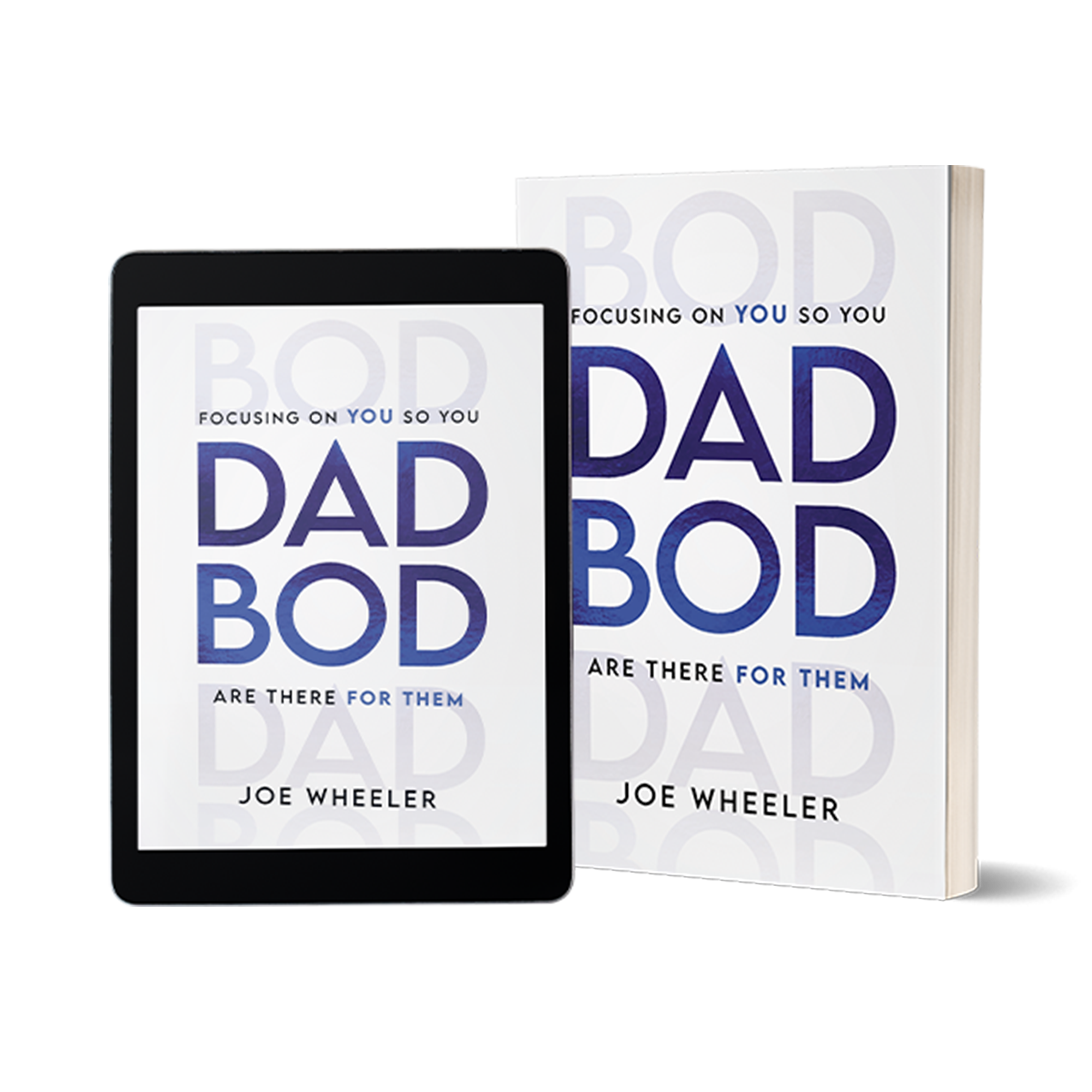
For fathers ready to go deeper, Dad Bod: Focusing on You So You Are There for Them launches May 5, 2026.
The book expands on the principles shared here, presence, health, self-awareness, and intentional growth, offering real-world tools to help dads become stronger, healthier versions of themselves. When fathers take care of themselves, they show up better for the people who matter most.